
By: Dr. Rinju George
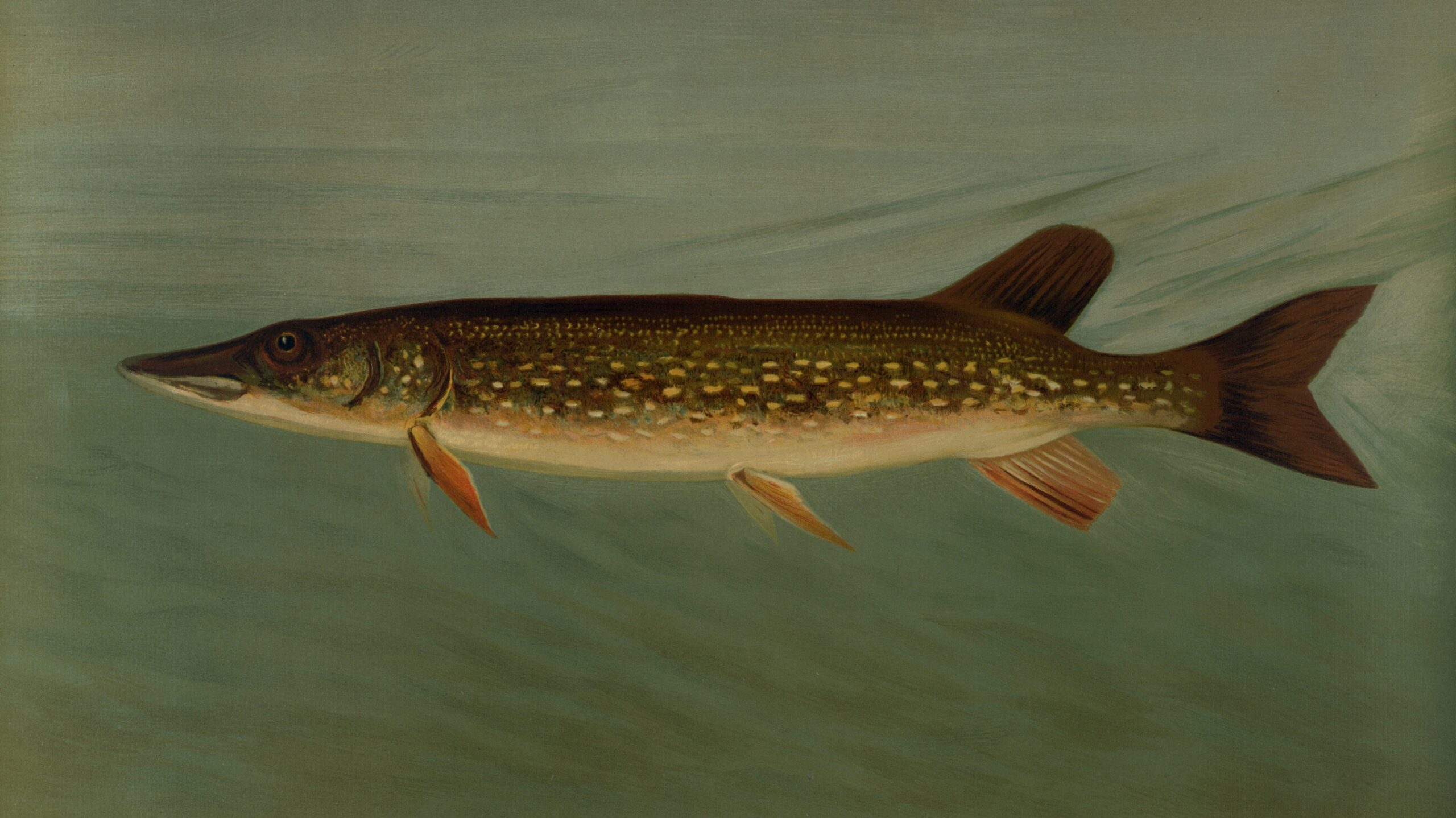
The “Pike Effect” is a metaphor used to explain how repeated experiences of failure can gradually shape behaviour, motivation, and belief in change. It comes from a well-known experiment involving a pike, a predatory fish, placed in a tank with smaller fish. Initially, the pike naturally attempts to catch the smaller fish. Researchers then place a clear glass barrier between the pike and small fishes. The pike can see the fish and repeatedly lunges toward them, but each attempt ends with it hitting the glass barrier. After numerous unsuccessful attempts, the pike eventually stops trying. Later, researchers removed the glass barrier, now the small fish could swim freely in the tank, but the pike makes no effort to catch them. Even though the situation has changed pike’s behaviour remains unchanged. Through repeated experiences of failure, it has learned that trying is painful.
This metaphor closely reflects a psychological concept known as learned helplessness. When people repeatedly encounter situations in which their efforts do not lead to success, they may begin to believe that change is impossible. Over time, this belief can reduce motivation, confidence, effort and willingness to engage with challenges.
In clinical work with children, adolescents, and families, the Pike Effect often appears in subtle but meaningful ways. A child who tried to speak up at home and got shut down, or punished, or ignored — over and over again eventually stop expressing their feelings. An adolescent who tried, really tried, in school — and kept failing, kept being told they weren’t smart enough. By high school, they don’t try anymore. Someone who has experienced rejection, betrayal, or repeated disappointment in relationships may withdraw from connection, even when supportive people are present.
In these situations, the issue is not laziness or resistance or lack of motivation. It is a nervous system that learned a rule, that trying is painful, even though the world has moved on. And the hard part is — the pike can’t tell the difference. From inside, it doesn’t feel like an old rule. It feels like reality. This pattern can also be seen in individuals struggling with anxiety, depression, eating disorders, or substance use difficulties. After multiple setbacks, unsuccessful attempts at change, or recurring emotional pain, people may begin to lose faith in their ability to improve their circumstances. Even when opportunities for growth become available, it can feel safer not to try than to risk another failure.
From a therapeutic perspective, helping someone overcome the Pike Effect does not involve simply encouraging them to “try harder.” Reassurance alone is rarely enough to challenge years of lived experience. Clinician’s goal is to carefully rebuild the link between effort and outcome. This requires creating experiences where change feels possible again, even in small and manageable ways. Approaches such as CBT, DBT, behavioural activation, and gradual exposure help individuals take manageable steps toward their goals while developing the skills needed to cope with discomfort and uncertainty. The Pike Effect reminds us that many individuals who appear unmotivated or resistant are often responding to long history of experiences where effort did not lead to success. Therapy can help create new experiences that gently challenge those old lessons, allowing hope, confidence, and growth to emerge once again.
References
The Growth Group LLC (2025). Pike Syndrome: The terrifying power of self-limiting beliefs. https://www.thehicksfix.com/post/pike-syndrome-the-terrifying-power-of-self-limiting-beliefs