
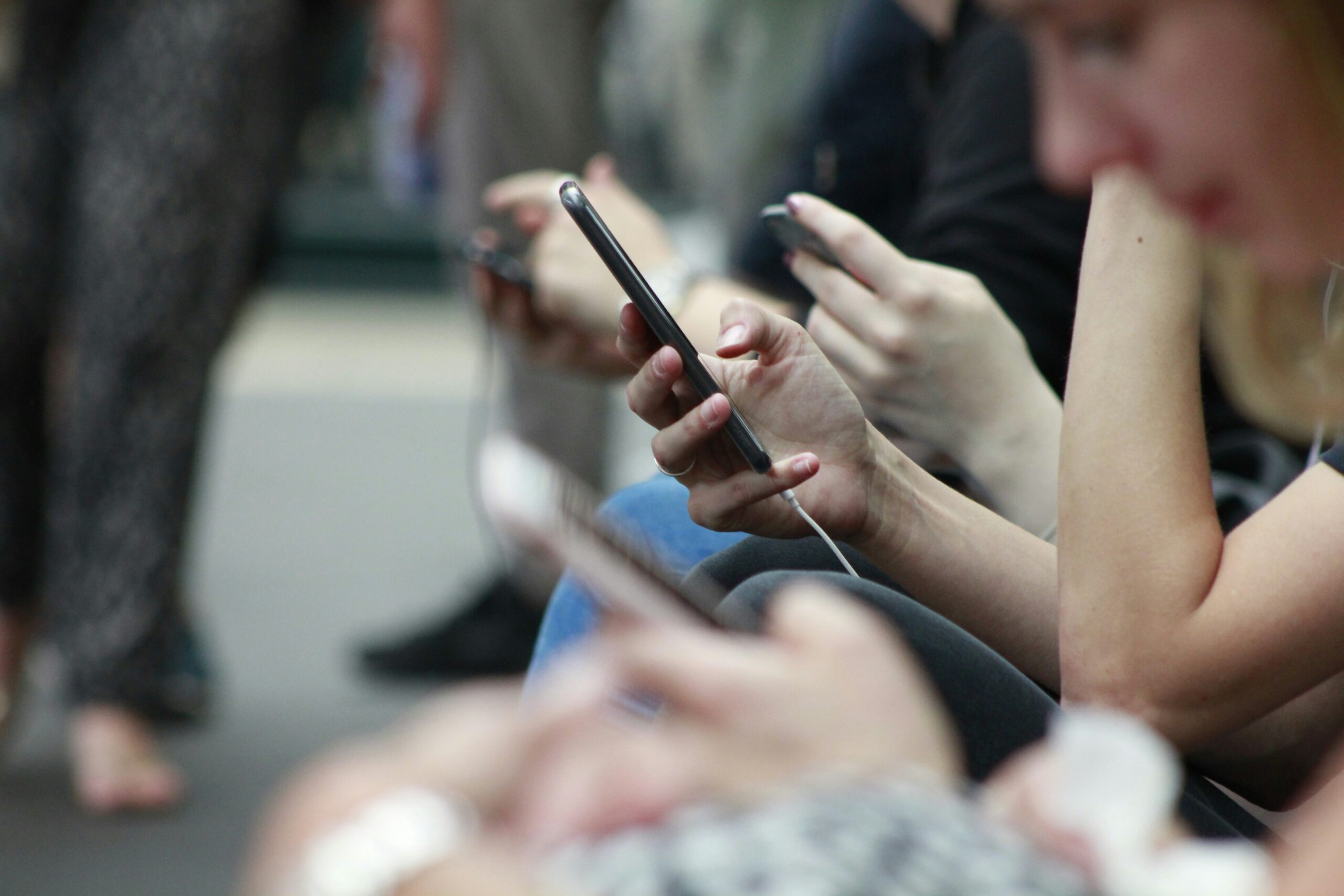
For those of us who are adept users of social media platforms, it is almost impossible to avoid running into at least one publication, post, or advertisement sharing information about mental health. Content creators and influencers alike have found in mental health and wellbeing a booming and lucrative industry, attracting people’s attention across age groups and genders. Although I must say that, at times, I have encountered information that has been genuinely useful for my own practice, or even resources that I later share with some of my clients, I remain wary of information shared online until I verify its contents and sources.
It is true that there are multiple ways in which personal wellbeing can be achieved, and that mental health practices are deeply tied to cultural and sociohistorical contexts. That being said, we also have more than half a century of empirical research supporting principles and practices that appear to apply broadly across human beings.
Let me give you an example. The other day, while scrolling through my feed, I came across a reel from a well-known content creator sharing their insights about complex trauma, or cPTSD. cPTSD is one of those topics in psychiatry and clinical psychology that has been gaining increasing attention in recent years, although it has not been officially identified as a diagnosable entity by the American Psychiatric Association or APA. Not being fully recognized by the APA does not mean, however, that working with cPTSD is not relevant or essential for many clinicians around the world (it is very much real!). The term generally refers to the psychological consequences of prolonged, repeated, and interpersonal trauma, often occurring in childhood or within contexts where the individual had little or no possibility of escape. Complex trauma can result from chronic abuse, neglect, domestic violence, or captivity. Symptoms typically include difficulties with emotional regulation, persistent negative beliefs about the self, disturbances in relationships, and a pervasive sense of threat or shame.
When I stumbled upon this post, I was glad to see someone speaking so openly about this topic. At the same time, I felt concerned about the approach they chose to take. This content creator encouraged people with cPTSD to manage their relationships in a very rigid manner in an attempt to protect themselves from future emotional harm. They also advocated for a validating, warm, empathic, and understanding therapeutic approach when working with clients who struggle with cPTSD to help them “heal.”
This does not sound bad at first glance. In fact, I largely agree with this individual. Validation and empathy are necessary to facilitate a restorative or corrective learning experience, one in which people can develop trust and confidence without constant fear of emotional harm. However, this content creator left aside important aspects of working with complex trauma, while simultaneously endorsing extreme interpersonal practices under the guise of “protecting oneself.” Rigid boundaries, extremes in thinking, and a low tolerance for the natural ups and downs of human relationships are likely to contribute to an avoidance cycle that can maintain cPTSD symptoms for years. As a result, individuals may struggle with isolation, shy away from close relationships altogether, and find it increasingly difficult to cope with the social world.
My take? Working with trauma does indeed require validation and warmth, but it also requires gentle challenge and encouragement to revisit old beliefs, cultivate flexibility, find balance, and gradually re-engage with the world in a more resilient way. After all, the world is deeply meaningful in many ways, and at the same time unjust and painful in others. By omitting this dimension of the work, this creator ultimately presented only half the picture.
Do not get me wrong. I am glad that people are talking about mental health. At the same time, I urge everyone to be a critical thinker. Reader, beware of pop psychology. Don’t believe everything you read online: Not everyone who has hurt us is a narcissist or “toxic.” You do not always need to cut ties with people the moment they cross a boundary, as some boundaries must at times be flexible and negotiated. Self-care is not simply indulgence in feel-good activities or avoidance of real-life stressors. Not everything is related to ADHD or autism. And while the world should strive to better accommodate neurodivergent people, it is unfortunately not going to bend over backwards at all times. We need both validation of our needs and the development of skills to navigate reality as it is. Any extreme or overly simplified claim about mental health should prompt us to raise an eyebrow.
Here are some questions to ask yourself as a responsible consumer of mental health and psychology information:
- Is this information grounded in research, clinical experience, or established psychological theory, or is it presented purely as personal opinion?
- Does the content acknowledge complexity and nuance, or does it rely on absolute statements and one-size-fits-all solutions?
- Is the message empowering while still encouraging personal growth, or does it promote avoidance, fear, or rigidity?
- Does the creator cite credible sources or professionals, or discourage questioning and critical thinking?
- How does this information make me feel: more capable and flexible, or more anxious, helpless, or distrustful of others?
In conclusion, mental health education on social media can be a powerful tool for awareness, validation, and connection. However, when psychological concepts are oversimplified, taken out of context, or presented as universal truths, they can do more harm than good. Healing is rarely about extremes. It is about self-compassion, balance, flexibility, and gradual change. As consumers, and especially as professionals, we have a responsibility to approach pop psychology with curiosity, skepticism, and discernment. Awareness is a first step, but growth requires depth, nuance, and a willingness to engage with the full, imperfect complexity of being human.